Empty Property Checks Are Important
If a property is being left empty for any length of time, it should be subject to regular inspections. While some owners feel these checks aren’t necessary, or worry about the cost, the reality is that the expense of not carrying them out can be many times greater.
In addition, many insurance policies require empty properties to be inspected at set intervals, with evidence provided, as a condition of cover.
Over the years, we’ve seen first-hand how quickly issues can arise in empty properties, and how rapidly they can escalate if left unnoticed.
What can happen to empty properties?
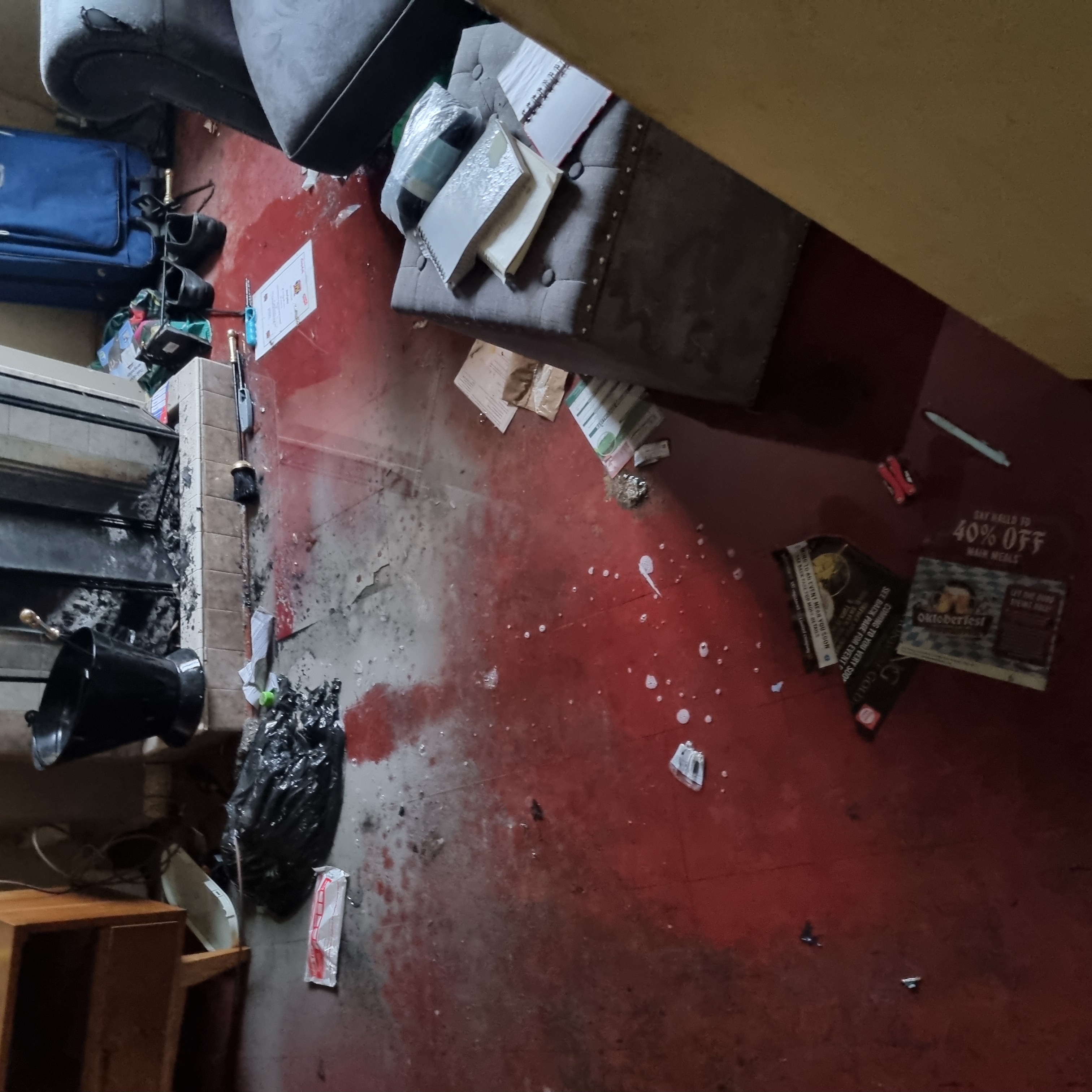
Some empty properties can sit for months, or even years, without any problems at all. Unfortunately, others develop issues very quickly, often with significant financial consequences. From our experience inspecting empty properties, the most common risks include:
Water leaks
Water damage is not as common as people might expect, but when it does happen, it can be severe. We’ve seen everything from stopcocks that weren’t fully isolated, allowing water to bypass and freeze, to boilers freezing and then thawing, causing extensive internal damage.
We’ve also encountered properties left “live” with a dripping tap, under the assumption that it would prevent freezing, only for that decision to result in flooding. In some cases, we are called in to prevent these issues; in others, we’re called in after the damage has already occurred, to ensure it doesn’t happen again.
Criminal damage and unauthorised entry
When people think of criminal damage to empty properties, they often imagine copper theft or drug use. While both do happen, there are other risks that are increasingly common.
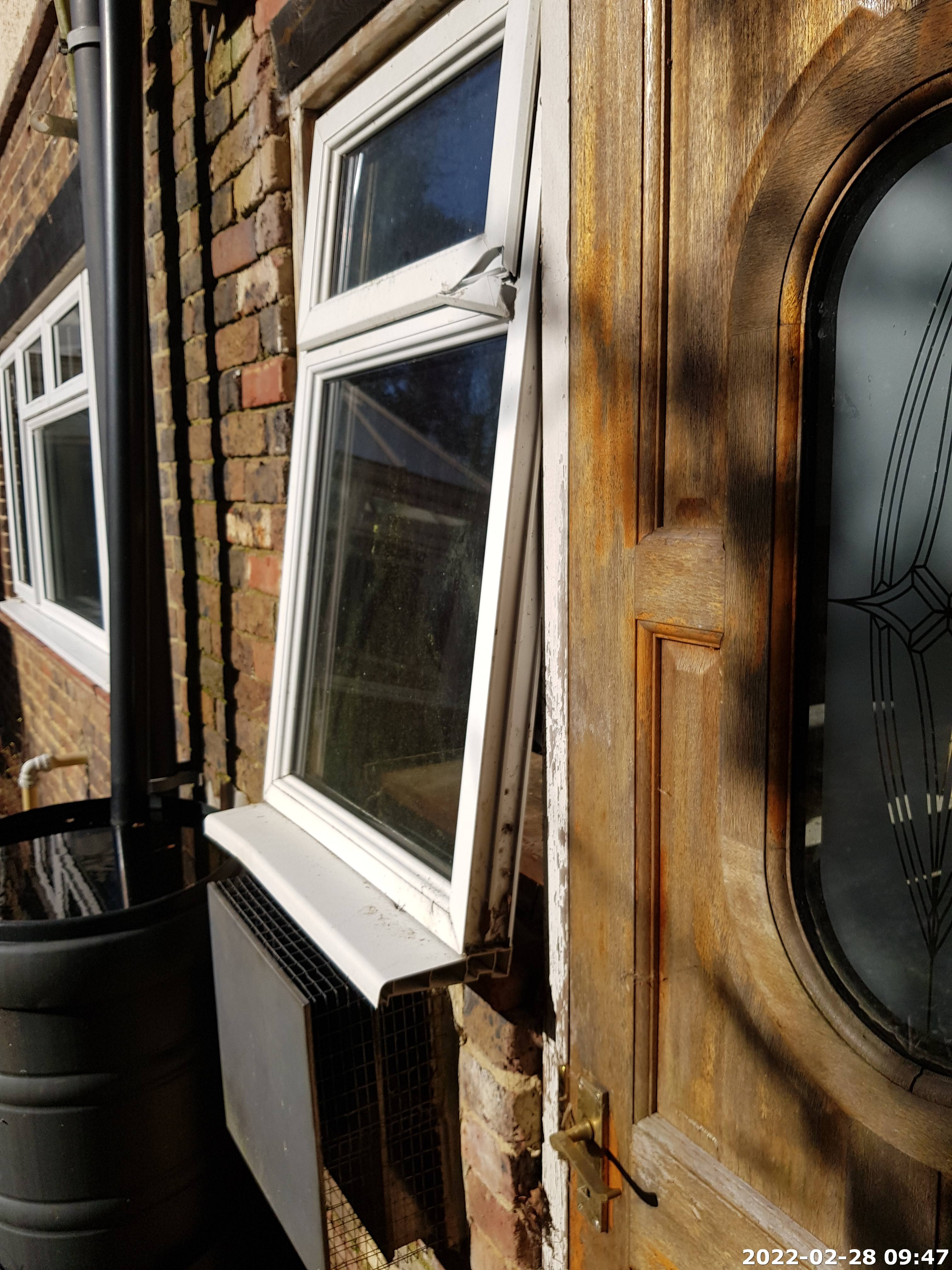
In recent years, we’ve seen a rise in empty properties, particularly those that are slightly isolated, being targeted by urban explorers and YouTubers looking to film “exploration” content. While the damage caused may initially appear minimal, identifying how access was gained and preventing repeat entry is vital. Left unchecked, repeat access almost always leads to escalating damage over time.
Damp, stale air and deterioration
Empty properties naturally suffer from a lack of ventilation and heating. This can quickly lead to damp conditions, stale air, and deterioration of internal finishes. Paintwork and wallpaper begin to fail, and in more extreme cases we’ve even seen vegetation start to grow into properties through broken or open windows.
Regular inspections help identify early signs of these issues before they become costly to remedy.
Adverse possession
While rare, adverse possession is a genuine risk for long-term empty properties. This occurs when someone occupies and controls a property for an extended period (typically over 12 years) and then attempts to claim ownership through the Land Registry.
Hopefully no property would be left unmonitored for that length of time, but regular inspections are essential to ensure no one attempts to gain occupation or present the appearance of abandonment.
How often should empty properties be inspected?
Inspection frequency varies depending on the property and the requirements of your insurance policy or mortgage provider. As a general rule, we recommend inspections every two weeks for most empty properties.
For higher-risk properties, such as those that are isolated, previously broken into, or located in vulnerable areas, inspections may need to be more frequent. We also vary the timing of inspections. Visiting at different times of day, including early mornings or evenings (particularly during winter months), can be an effective deterrent and provide a more accurate picture of a property’s condition.
How we can help
Our empty property inspection service provides a written report and a comprehensive set of photographs following each visit. This creates a clear audit trail, which is invaluable should you need to make an insurance claim.
The photographs also allow you to monitor any gradual deterioration over time. Where issues are identified, we highlight them clearly and recommend remedial action, whether that’s boarding a window, cutting back overgrown grass, or improving security.
A key objective is always to make the property appear occupied, even to a casual passer-by.
What does it cost?
This is one of the most common questions we’re asked, and the honest answer is that it depends. Costs vary based on the size of the property, its location, and the level of service required.
If you have an empty property in the Hastings area and would like to discuss inspection options, we recommend getting in touch so we can tailor a service to your needs.